Boost Your Brand with Custom Apparel Manufacturing

In today's competitive market, standing out is more crucial than ever. One effective way to enhance your brand's visibility and create a lasting impression is through custom apparel manufacturing. This approach not only allows you to showcase your brand's identity but also fosters a sense of community among your customers and employees. In this blog post, we will explore the benefits of custom apparel, the manufacturing process, and how to effectively implement it into your branding strategy.

The Importance of Custom Apparel
Custom apparel serves as a powerful marketing tool. Here are some key reasons why investing in custom clothing can benefit your brand:
Brand Recognition
When people wear your custom apparel, they become walking advertisements for your brand. This visibility can lead to increased recognition and awareness. For example, think about how often you see someone wearing a logoed t-shirt or hoodie. Each time they wear it, they are promoting your brand to everyone around them.
Building Community
Custom apparel can help foster a sense of belonging among your customers and employees. When individuals wear clothing that represents a brand or organization, it creates a shared identity. This is particularly effective for events, teams, or organizations that want to cultivate a strong community spirit.
Quality and Comfort
Investing in high-quality custom apparel ensures that your customers and employees are comfortable while representing your brand. This comfort translates to a positive experience, making them more likely to wear your apparel frequently and recommend it to others.
The Custom Apparel Manufacturing Process
Understanding the manufacturing process can help you make informed decisions about your custom apparel. Here’s a breakdown of the key steps involved:
1. Design Concept
The first step in custom apparel manufacturing is developing a design concept. This involves brainstorming ideas, selecting colors, and determining the overall look and feel of the apparel. Collaborating with a designer can help bring your vision to life.
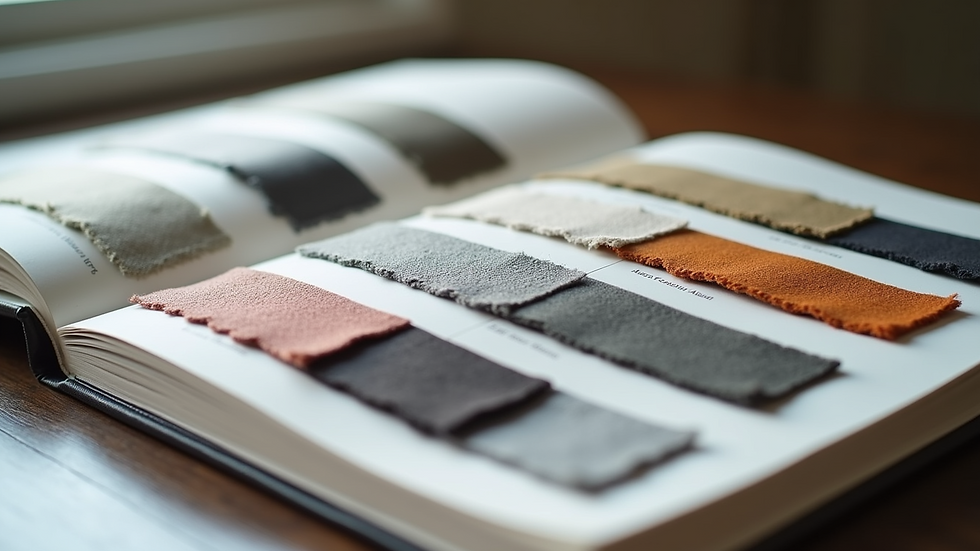
2. Material Selection
Choosing the right materials is crucial for the quality of your custom apparel. Consider factors such as fabric type, durability, and comfort. Common materials include cotton, polyester, and blends that offer both comfort and longevity.
3. Prototyping
Once the design and materials are finalized, creating a prototype is the next step. This allows you to see how the design translates into a physical product. Prototyping is essential for making adjustments before mass production begins.
4. Production
After finalizing the prototype, the production phase begins. This involves cutting, sewing, and finishing the garments. Depending on the complexity of the design, this process can vary in time and cost.
5. Quality Control
Quality control is a vital step in the manufacturing process. Inspecting the finished products ensures they meet your standards and are free from defects. This step is crucial for maintaining your brand's reputation.
6. Distribution
Once the apparel passes quality control, it’s time for distribution. Whether you sell directly to consumers or through retailers, having a solid distribution plan is essential for getting your custom apparel into the hands of your customers.
Implementing Custom Apparel into Your Branding Strategy
Now that you understand the benefits and manufacturing process, how can you effectively implement custom apparel into your branding strategy? Here are some practical tips:
Identify Your Target Audience
Understanding your target audience is key to creating custom apparel that resonates with them. Consider their preferences, styles, and needs. For example, if your audience is primarily young adults, trendy designs and comfortable fits may be more appealing.
Create a Cohesive Design
Your custom apparel should reflect your brand's identity. Use consistent colors, logos, and messaging to create a cohesive look. This helps reinforce brand recognition and makes your apparel instantly recognizable.
Leverage Events and Promotions
Custom apparel can be a great addition to events and promotions. Consider creating limited-edition items for special occasions or giveaways. This not only generates excitement but also encourages people to wear and share your brand.
Utilize Social Media
Encourage customers to share photos of themselves wearing your custom apparel on social media. This user-generated content can serve as authentic marketing and help spread the word about your brand. Consider creating a unique hashtag to track and promote these posts.
Monitor Feedback
After launching your custom apparel, pay attention to customer feedback. This can provide valuable insights into what works and what doesn’t. Use this information to make improvements for future designs.
Case Studies: Successful Custom Apparel Strategies
To illustrate the effectiveness of custom apparel, let’s look at a few case studies of brands that have successfully implemented this strategy.
Case Study 1: Local Coffee Shop
A local coffee shop decided to create custom t-shirts featuring their logo and a catchy slogan. They sold these shirts at their store and gave them away during community events. As a result, the coffee shop saw a significant increase in foot traffic and brand recognition. Customers proudly wore the shirts, effectively becoming brand ambassadors.
Case Study 2: Fitness Studio
A fitness studio launched a line of custom workout gear for its members. The apparel featured the studio’s logo and motivational quotes. Members loved wearing the gear during classes, which fostered a sense of community. The studio also encouraged members to post photos in their gear on social media, further promoting the brand.
Case Study 3: Non-Profit Organization
A non-profit organization created custom apparel for its volunteers. The shirts not only identified volunteers during events but also served as a conversation starter about the organization’s mission. This strategy helped raise awareness and attract new supporters.
Conclusion
Custom apparel manufacturing is a powerful tool for enhancing your brand's visibility and fostering community. By understanding the manufacturing process and implementing effective strategies, you can create custom apparel that resonates with your audience. Remember to focus on quality, design, and community engagement to maximize the impact of your custom apparel.
As you consider your next steps, think about how custom apparel can fit into your overall branding strategy. Whether you’re launching a new product, hosting an event, or simply looking to strengthen your brand identity, custom apparel can be a valuable asset. Start exploring your options today and watch your brand thrive!

Comments