Choosing the Right Fabrics for Apparel Manufacturing

Selecting the right fabric is crucial in apparel manufacturing. The fabric not only affects the look and feel of the garment but also influences its durability, comfort, and overall performance. With a myriad of options available, making the right choice can be overwhelming. This guide will help you navigate through the various types of fabrics, their properties, and how to choose the best one for your apparel needs.
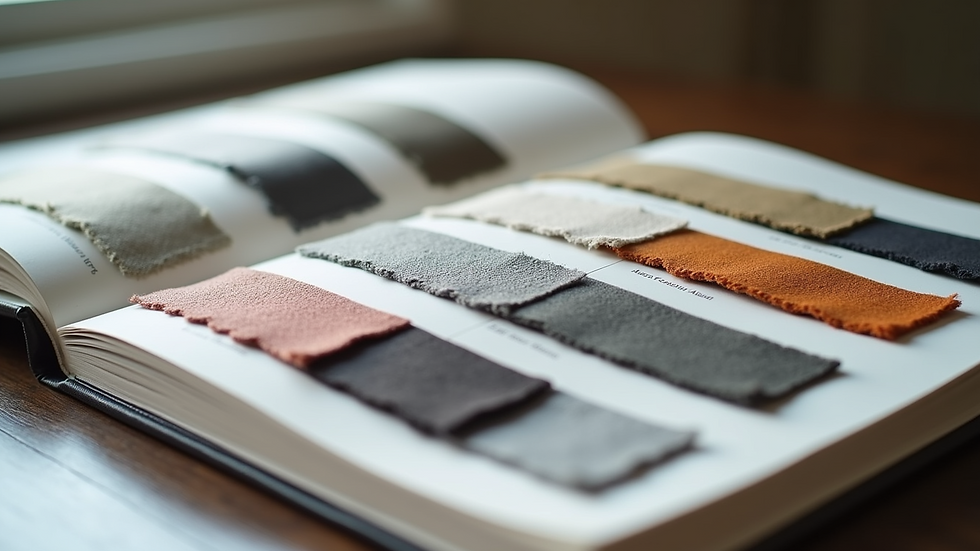
Understanding Fabric Types
Fabrics can be broadly categorized into two types: natural and synthetic. Each type has its own unique characteristics, advantages, and disadvantages.
Natural Fabrics
Natural fabrics are derived from plants or animals. They are often praised for their comfort and breathability. Here are some common types:
Cotton: Known for its softness and versatility, cotton is a popular choice for casual wear. It is breathable, absorbent, and easy to care for, making it ideal for everyday clothing.
Linen: Made from flax plants, linen is lightweight and breathable. It has a unique texture and is perfect for summer garments. However, it wrinkles easily, which may not be suitable for all designs.
Wool: Wool is a warm and durable fabric, making it ideal for winter apparel. It has natural moisture-wicking properties and can regulate body temperature, keeping you warm in cold weather and cool in warmer conditions.
Silk: Known for its luxurious feel and sheen, silk is often used in high-end garments. It drapes beautifully but requires special care to maintain its appearance.
Synthetic Fabrics
Synthetic fabrics are man-made and often designed to enhance specific properties. Here are some popular options:
Polyester: This fabric is durable, wrinkle-resistant, and quick-drying. It is often blended with other fabrics to enhance their performance. Polyester is commonly used in activewear and outdoor clothing.
Nylon: Known for its strength and elasticity, nylon is often used in activewear and swimwear. It is lightweight and resistant to mildew, making it suitable for various applications.
Spandex: Often blended with other fabrics, spandex provides stretch and flexibility. It is commonly used in athletic wear and form-fitting garments.
Factors to Consider When Choosing Fabrics
When selecting fabrics for apparel manufacturing, consider the following factors:
Purpose of the Garment
The intended use of the garment plays a significant role in fabric selection. For example, activewear requires moisture-wicking and stretchable fabrics, while formal wear may prioritize drape and elegance.
Climate and Season
Consider the climate in which the garment will be worn. Lightweight, breathable fabrics are ideal for warm weather, while heavier fabrics provide warmth during colder months.
Care and Maintenance
Different fabrics require varying levels of care. Some may be machine washable, while others need dry cleaning. Understanding the care requirements can help you choose fabrics that align with your target market's preferences.
Cost and Availability
Budget constraints can influence fabric selection. Natural fabrics tend to be more expensive than synthetic options. Additionally, consider the availability of the fabric, as some may have longer lead times.
Fabric Performance and Characteristics
Understanding the performance characteristics of fabrics can help you make informed decisions. Here are some key attributes to consider:
Durability
Durability is essential for garments that will be worn frequently. Fabrics like polyester and nylon are known for their strength and resistance to wear and tear.
Breathability
Breathable fabrics allow air circulation, keeping the wearer comfortable. Cotton and linen are excellent choices for warm weather, while wool can provide breathability in various conditions.
Stretch and Recovery
For activewear and fitted garments, consider fabrics with stretch and recovery properties. Blends containing spandex offer the necessary elasticity for movement.
Moisture Management
Fabrics with moisture-wicking properties draw sweat away from the body, keeping the wearer dry. Polyester and specialized blends are often used in athletic apparel for this reason.
Sustainable Fabric Options
With growing awareness of environmental issues, many manufacturers are seeking sustainable fabric options. Here are some eco-friendly choices:
Organic Cotton: Grown without harmful chemicals, organic cotton is a sustainable alternative to conventional cotton.
Tencel: Made from sustainably sourced wood pulp, Tencel is biodegradable and has a soft, luxurious feel.
Recycled Polyester: This fabric is made from recycled plastic bottles, reducing waste and promoting sustainability.
Testing and Sampling Fabrics
Before committing to a fabric, it's essential to conduct tests and obtain samples. Here are some steps to follow:
Request Swatches: Obtain fabric swatches from suppliers to evaluate texture, color, and weight.
Conduct Wear Tests: Create sample garments and have individuals wear them to assess comfort, fit, and performance.
Evaluate Care Instructions: Test the fabric's durability through washing and drying to ensure it meets your standards.
Collaborating with Suppliers
Building strong relationships with fabric suppliers can enhance your manufacturing process. Here are some tips for effective collaboration:
Communicate Clearly: Clearly outline your fabric requirements, including specifications, quantities, and timelines.
Visit Suppliers: If possible, visit suppliers to see their operations and gain insights into their fabric offerings.
Negotiate Terms: Discuss pricing, lead times, and minimum order quantities to ensure a mutually beneficial agreement.
Conclusion
Choosing the right fabrics for apparel manufacturing is a critical decision that impacts the final product's quality, performance, and appeal. By understanding the different types of fabrics, considering key factors, and collaborating with suppliers, you can make informed choices that align with your brand's vision and customer needs.
As you embark on your fabric selection journey, remember to prioritize sustainability and performance to create garments that not only look good but also feel good to wear. Take the time to explore various options and conduct thorough testing to ensure your final products meet the highest standards.


Comments